How Psychedelics Changed the Life of a Microsoft Vice President
By Ben Fathi
“Look within, bravely, the better to look out and around, honestly.” — Gabor Maté, The Myth of Normal
“Psychedelics, used responsibly and with proper caution, would be for psychiatry what the microscope is for biology and medicine or the telescope is for astronomy.” — Dr. Stanislav Grof
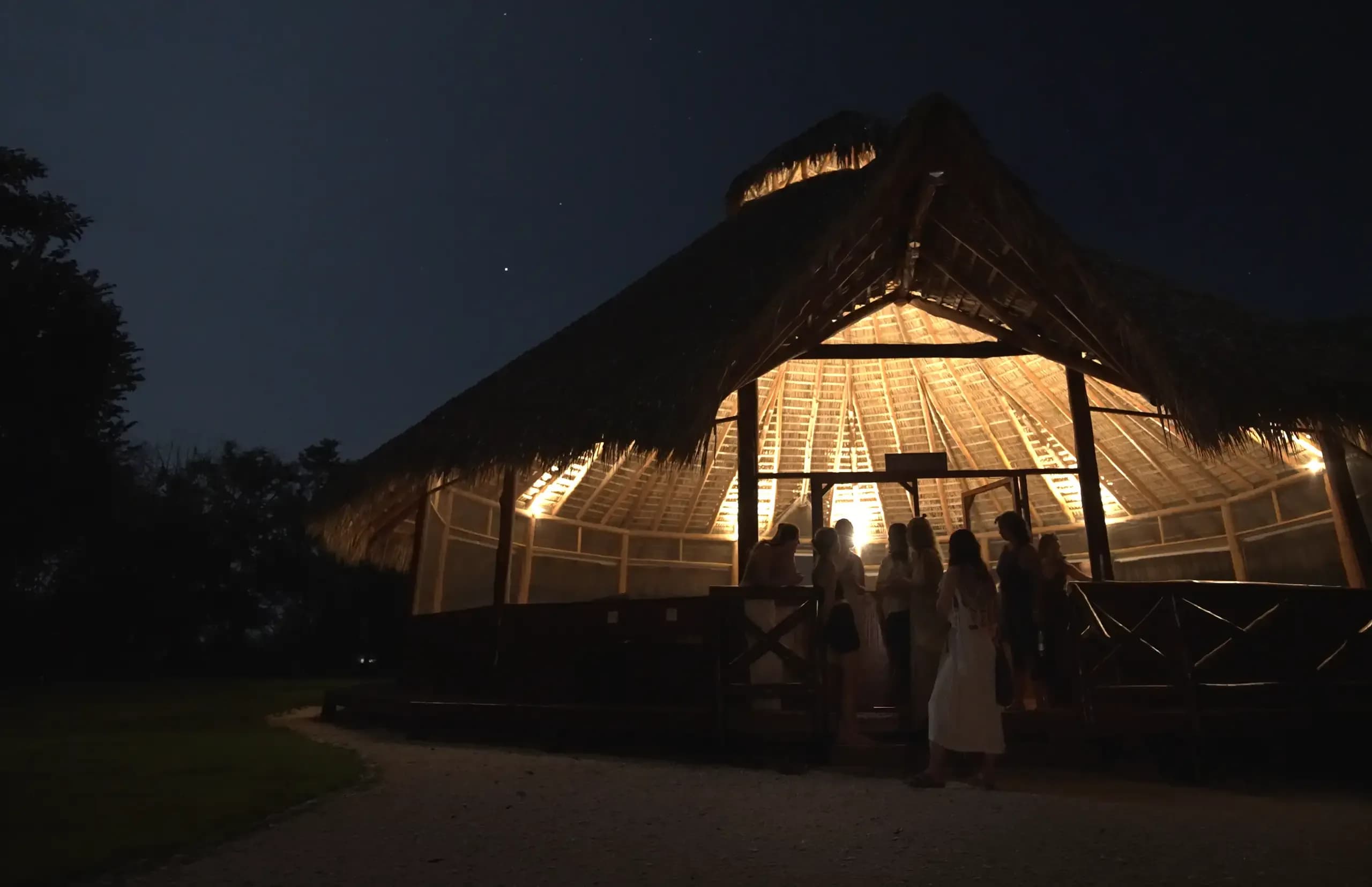
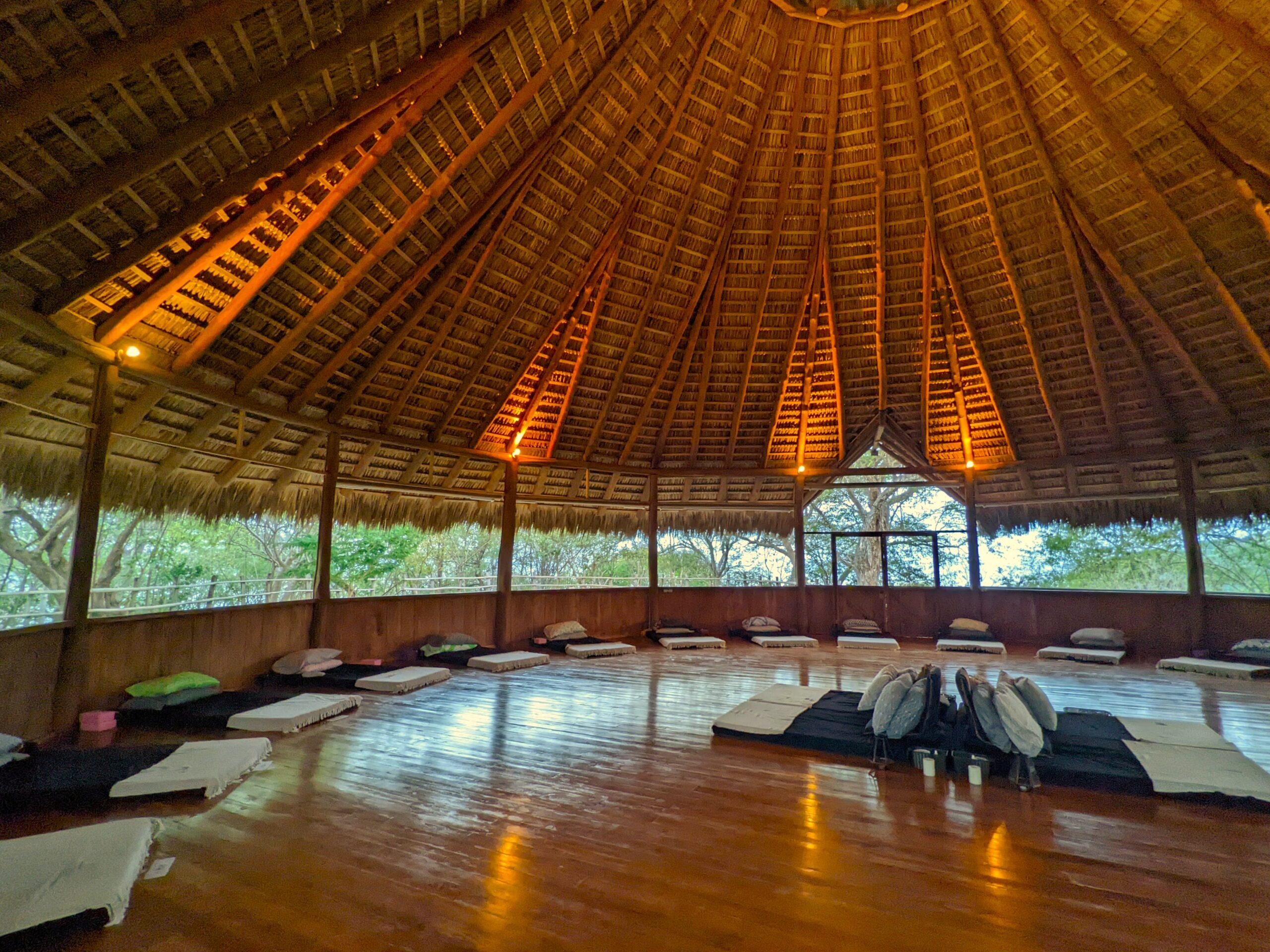
I’m lying flat on my back on a mat in the Maloca, a large circular wooden structure typical of the Amazon, surrounded by about fifteen people who are quickly becoming dear friends. A troop of howler monkeys is chattering in the nearby trees. A few fireflies have somehow found their way inside and are dancing in the dark. It’s probably around 10 p.m., but it could be much earlier or much later. Time has gone elastic.
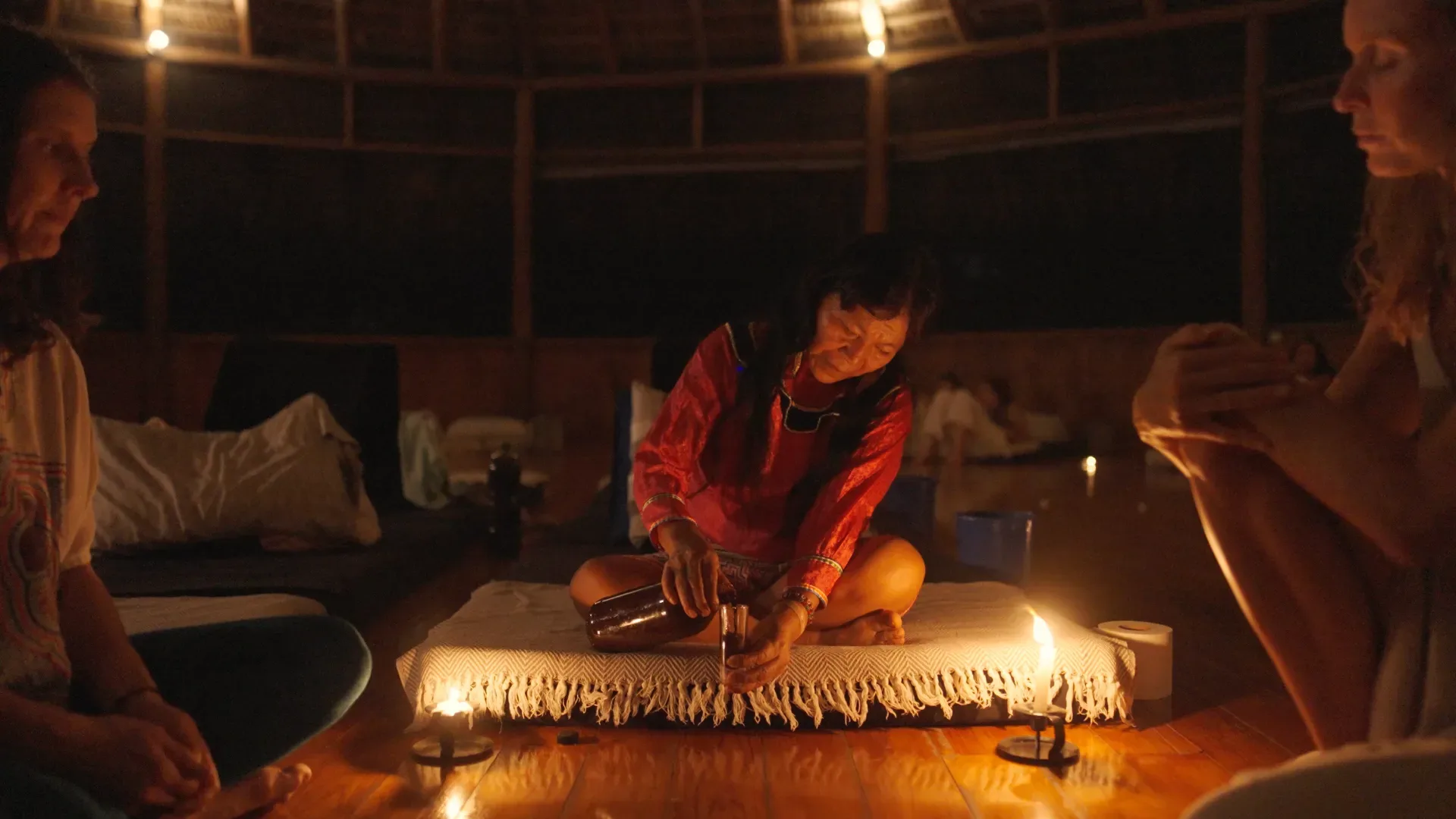
Two Shipibo healers from the Peruvian Amazon are singing Icaros, traditional healing chants. It’s pitch black. Every so often a dim red light catches the silhouettes of the three facilitators as they glide between mats, tending to participants.
This is the third of four ceremonies at Soltara, an Ayahuasca retreat center in Costa Rica. (Full disclosure: a year and a half later, I became a co-owner; more on that below.) Tonight, my whole worldview has shifted. The first two nights were interesting, but I hadn’t fully connected to the medicine. I’d never taken a hallucinogen in my life and, being a scaredy-cat, I’d stopped short of a full dose. With my time here running out, I’ve finally taken the plunge tonight and consumed a larger dose.
Every time I close my eyes, my entire field of vision fills with wave after wave of pastel colors, rippling like flags in the wind: Caribbean blue, salmon pink, banana yellow, lime green, peach orange, and a blinding brilliant white. The colors fade when the maestros pause and surge back with the next Icaro. I learn later that this blending of sound and color is a common effect of psychedelics, a brief taste of what people with synesthesia experience every day.
The amazing technicolor show goes on for what feels like hours. I’m bathed in a warmth I’ve never felt before, so relaxed and serene that I never want it to end. This must be what people mean when they talk about homeostasis. Tears stream down my face, not from sadness but from awe. Insights arrive fast and furious, addressing issues I’ve avoided or buried for decades.
The downloads are sometimes so obvious they’re almost laughable. How could I have been so blind for so long? Why have I been lying to myself, rationalizing bad behavior I should have dropped years ago, clinging to patterns that weren’t serving me or anyone else? Why have I been so stubbornly attached to beliefs which are so plainly wrong?
I see everything with new eyes, as if for the first time. I pledge then and there to start anew: to call friends and family and apologize, to never again stray from the middle path, to help others, to do good and be good. I feel light. Decades worth of anger, frustration, resentment, and negativity fall off my shoulders. I feel ten years younger overnight.
There are thousands of species of psychedelic plants and fungi growing wild across the planet. Sacred cacti. Amazonian vines. Magic mushrooms. Even toad venom! Now add to that the synthetic compounds humans have created in the last two centuries.
The research is no longer speculative. At appropriate doses, with proper preparation, guidance, and integration, compounds like psilocybin, Ayahuasca, and iboga are producing extraordinary results.
Ibogaine, derived from the root of a Central African shrub, has shown remarkable effectiveness in interrupting severe opioid addiction and treating traumatic brain injury in veterans (it also carries real cardiac risks and requires medical supervision). Ayahuasca, a brew made from Amazonian plants, has been used ceremonially for centuries to heal deep trauma, depression, and PTSD. Psilocybin, the psychoactive compound in “magic mushrooms,” has shown significant promise in the treatment of depression. 5-MeO-DMT, the so-called “God molecule,” can dissolve the ego entirely, producing an experience of unity and peace so complete that words struggle to capture.
By quieting the brain’s Default Mode Network, the source of much of the chatter in your head and home to many of the defense mechanisms of the ego, psychedelics allow you to encounter yourself directly. Neuroplasticity increases. Lines blur. Reality sharpens. Rationalizations fall away. Avoidance becomes impractical. Trauma is faced and addressed head on rather than swept under the rug.
The future of humanity, and of the planet, depends on our willingness to heal from the unresolved traumas of the past — disconnections from our selves, each other, and the planet. And we have to stop passing those traumas to our children before it’s too late.
Psychedelics, when administered professionally and compassionately, are one of the best tools at our disposal for reaching our full potential as a species.
The experience that night was so profound, so eye-opening and earth-shattering, that I asked to stay on for another week. This changes everything, I kept thinking. There’s so much more to the universe than I ever imagined.
It’s now a few days later and I’m sitting in the center of the Maloca again, waiting for the maestra to pour me a cup. The medicine tastes like sickly sweet prune juice and gets less appetizing with every swig. Each person’s tolerance is unique, so there’s no such thing as a standard dose. Some people can barely handle half a cup; others need several before they can feel anything.
I ask for the same dose as the last few nights since it seems to suit me. Usually she measures it and hands it over with a smile and a nod. This time she does something different. She brings the cup close to her face to check the level. Then, just before handing it over, she tilts her head, arches her eyebrows and gives me a quizzical look. This is strong medicine. Are you sure you know what you’re doing?, she seems to be saying.
At least, that’s how I interpret it. Instantly, I freeze. Oh my God! What have I done? Did I make a mistake? Is it too much? Have I angered the spirits? But I don’t say anything. I down the viscous brew, thank her, and go back to my mat. Within seconds, my jaw is clenched and my palms are sweaty. My entire body is convulsing and there’s nothing I can do to make it stop.
Oh, crap! What now?
I call the lead facilitator over and tell her I think I’m having a bad trip. She spends quite a bit of time trying to calm me down, but the shaking continues unabated. “Sit with it,” she finally says. “Much can be learned from uncomfortable experiences if you’re willing to listen.”
I consider forcing myself to throw up, then heed her advice and try some breathing exercises. How bad can it be? Surely it’s just the jitters. The medicine has made it to my stomach by now; we just have to wait for it to go through my system.
Easier said than done. I stayed in that state of uncontrollable shaking for the next sixteen hours! The facilitators spent a lot of time sitting with me and trying to help, but nothing worked. Every suggestion bounced off me. I didn’t know how to let go. Never for an instant did I feel the effects of the medicine. I was stone cold sober the whole night but couldn’t stop shaking.
Around 7 a.m., when the crews came to clean up the Maloca, I finally pulled myself together enough to stand up. It took at least 45 minutes to walk the few hundred steps back to my room, one shaky step at a time, hanging onto the railing for dear life. Around noon, one of the facilitators came to my room and talked with me patiently for an hour, slowly calming me down. Still, the shaking wouldn’t stop.
As we talked, I told him about myself: how I’d always been an overachiever, moving to the US on my own at the age of 14, graduating from college at 17, how I’d had one career success after another, how I felt I’d always been in control. He looked at me and said, “You know, Ben, you don’t always have to be in control. No one has to be in control all the time.”
I looked down at my hands, closed my eyes, and took a deep breath. The shaking stopped. Instantly!
It took me a while to understand what had just happened. I’d had a panic attack, triggered by the prospect of losing control. It was that simple. Ayahuasca wasn’t the cause: the shaking had begun seconds after I drank the medicine, long before the brew could have been digested. The maestra was probably just squinting to see the level of liquid in the dark and I’d incorrectly interpreted that as a warning.
I’d had a few panic attacks before but never understood them. It was only now that I realized what FDR meant: “The only thing we have to fear is fear itself.” The mind is a powerful computer, but it can also easily go haywire. I’d always prided myself on being in control of my environment. Faced with the possibility of losing that control, I panicked, and because I didn’t understand what was happening, the fear fed on itself, sending me into a tailspin. Once I’d understood the root cause, my mind immediately went quiet.
It was one of the most important lessons I’ve ever learned. I haven’t had a panic attack since, and I don’t expect to ever have one again. I wouldn’t wish that experience on anyone, but I’m forever grateful for what it taught me. As they say in the field, there’s no such thing as a bad trip, only hard trips.
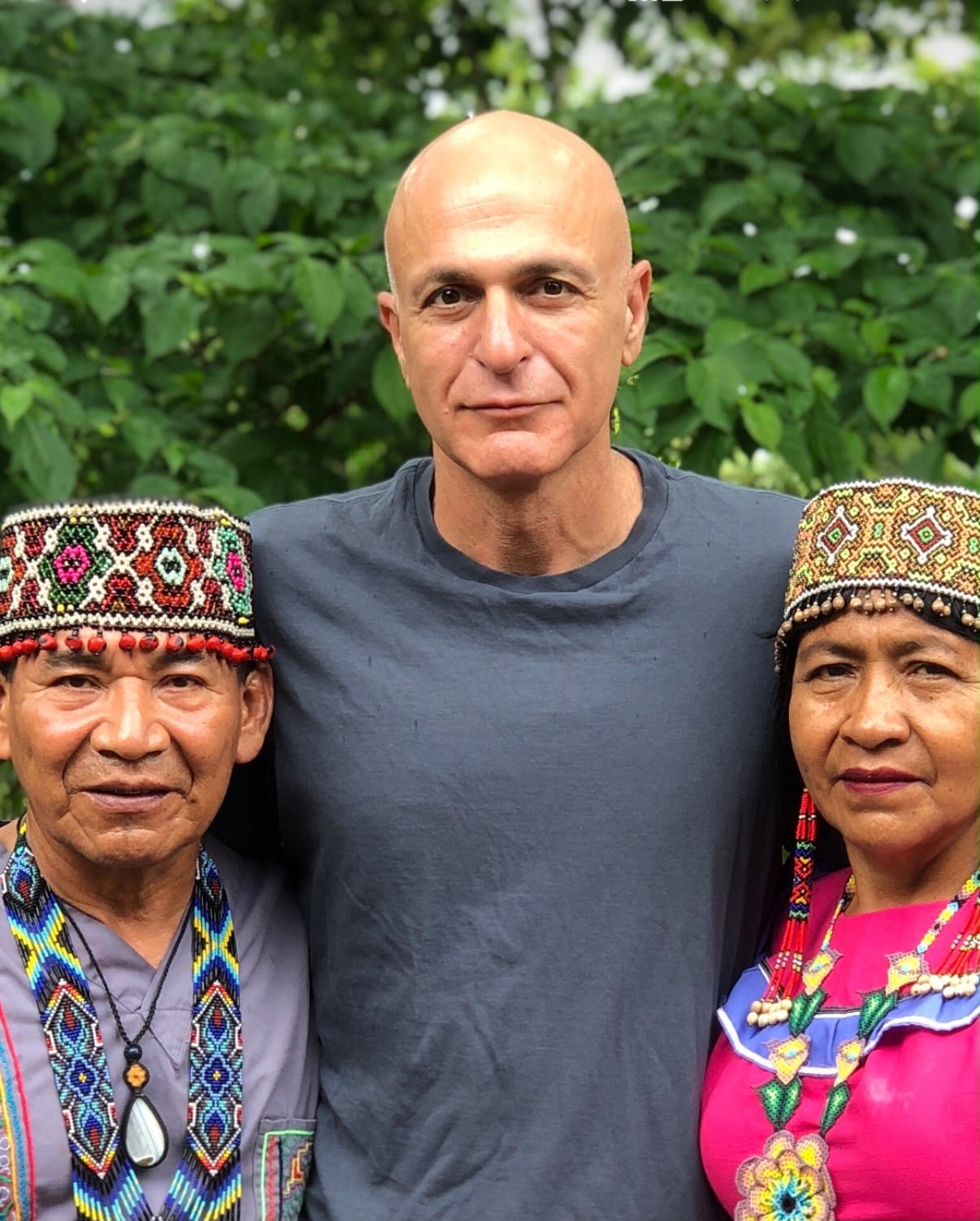
By most measures, my career in the software industry had been a success and I was proud of what I’d accomplished. Engineer of the Year at multiple companies. Manager of the Year. Microsoft Vice President by Forty. Senior Vice President. Chief Technology Officer. Dozens of products and services built, many of them still in use by billions of people every day.
Everywhere I looked, I seemed to be surrounded by accomplishments and accolades. Yet, I felt tired and empty, exhausted by the relentless pace and burned out by the constant pressure to do more, be more. I’d neglected friends and family. I’d been an emotionally absent father. My marriage was falling apart. I was drinking too much. I was depressed.
I’d retired roughly five years before that night in the Maloca and set out on a journey of self-discovery and healing. I first learned about psychedelics from Michael Pollan’s How to Change Your Mind. Being a “good boy,” I’d never used illicit drugs of any kind, choosing instead to numb my pain with alcohol. It’s legal and everyone else is doing it, so it must be okay; right?
It was only now, after decades lost in the spiritual wilderness, that I found myself at Soltara. And it was one of the best things that ever happened to me.
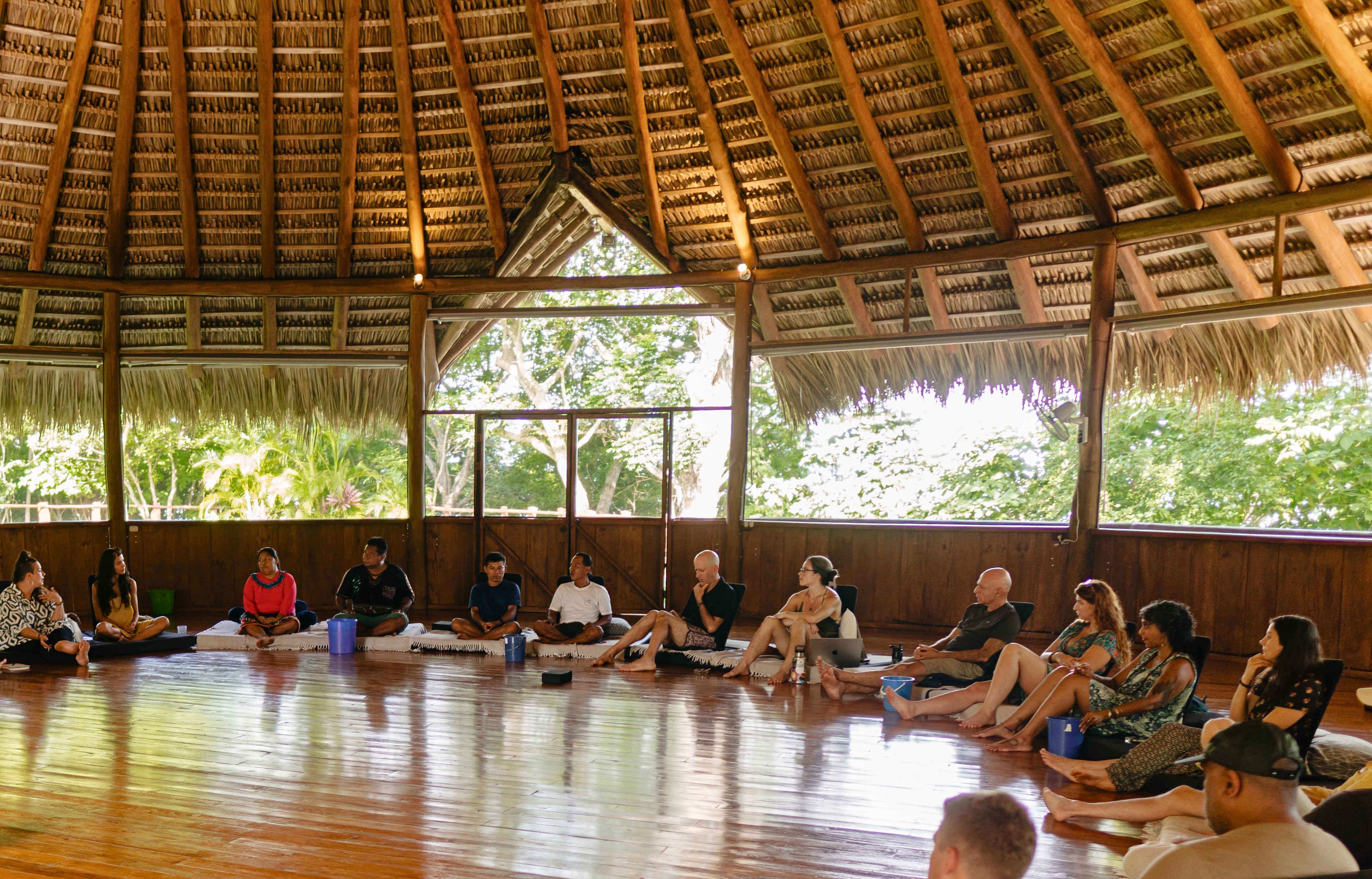
Psychedelics are not a cure; they’re portals, doors to the deepest layers of our psyches. What we face there, finally looking in the mirror with all our defenses down and nowhere left to hide, can be overwhelming for some. So-called “bad trips” can occur when proper preparations are lacking or when the ego, your carefully constructed persona, resists surrendering to the experience.
Insights can, and often do, occur even under these difficult circumstances but they flow more freely when control is relinquished. What appears then is the Self as it truly exists: all-knowing, wise and timeless, at peace with the universe. On the way there, though, you may encounter a constellation of inner “parts” long suppressed or ignored: sometimes a frightened babe, occasionally a guilt-ridden youngster, often a sad and lonely teenager.
For we are not singular beings. Our minds are composites, as explained by contemporary psychological theories such as Richard Schwartz’s Internal Family Systems (IFS). We are made of parts, each with its own wounds, fears, and coping strategies. Psychedelics do not create these fragments; they merely expose them. The word literally means “mind-revealing.”
This is not an endorsement of illicit drug use. Rather, it is a recognition that psychedelic-assisted therapy (PAT) and guided experiences have extraordinary potential when practiced ethically and professionally.
If a picture is worth a thousand words, then I can say, based on personal experience, that a single PAT session is worth a thousand hours of talk therapy. In a recent study, 85% of participants described their psychedelic experience as one of the most meaningful events of their lives and 94% reported positive life improvements.
But you have to be ready for the experience. Ensuring the proper set and setting, cultivating a good mindset and utilizing a safe and supportive environment, are not mere suggestions; they are prerequisites for having a successful journey. Preparation, trust, and integration are essential for elevating a powerful experience into a life-changing one. Not every experience will be a blissful one but it is almost guaranteed to be an enlightening one.
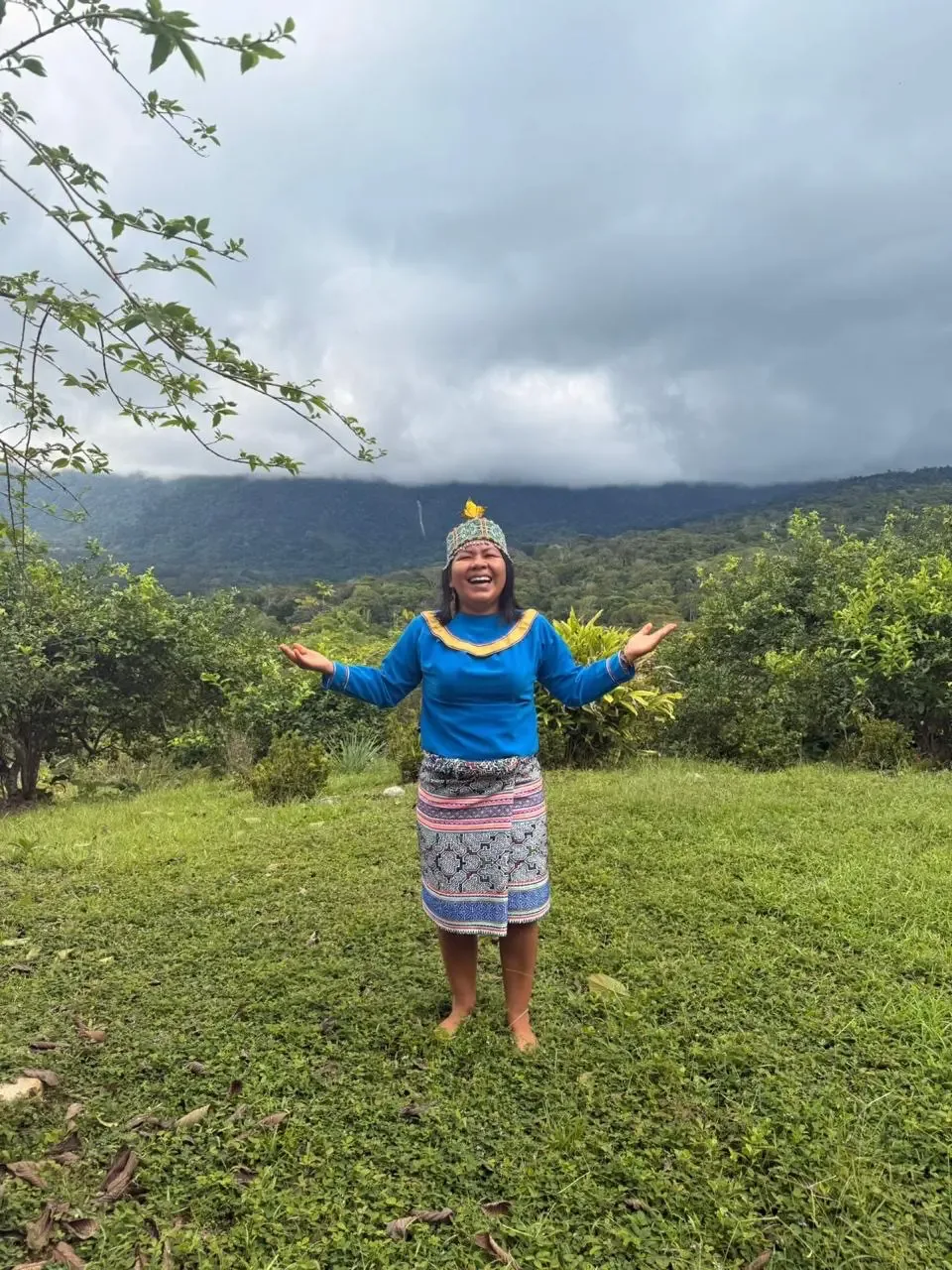
I left Soltara a changed man and decided to dedicate much of my life to helping this field grow responsibly and equitably. That has meant working on legalization efforts in the U.S., funding psychedelic research at several universities, advising retreat centers delivering plant medicine, investing in companies developing psychedelic-derived medicines, offering scholarships for training and retreats, raising money to make treatment affordable for those who need it most, and working on policy issues like harm reduction and insurance coverage.
Soltara is one of the most highly regarded psychedelic retreat centers in the world, and I’m proud to be a co-owner. We are guided by traditional Shipibo healers from the Amazon and advised by world-class experts such as Dr. Gabor Maté, bringing small groups of intrepid souls together for healing ceremonies. Our trauma-informed facilitators are angels who’ve dedicated their lives to this path.
But don’t take my word for it. Do your own research. Wherever you choose to go: look for careful medical screening, indigenous healers with a strong tradition, experienced facilitators, and real integration support. And if Soltara feels right, then come and join us. It may just change your life.
PS: I also serve on the board of directors of Thank You Life, a 501(c)(3) organization dedicated to eliminating the financial barriers to psychedelic-assisted care. You can apply for a scholarship or make a tax-deductible donation on our website. I look forward to the day when these healing modalities are available to those who need them the most but can’t afford them.