Is Ayahuasca Legal in Costa Rica?
In short:
Ayahuasca retreats operate openly in Costa Rica. The country's drug law controls DMT, the brew's main active compound, but it does not name Ayahuasca or the two plants the brew is made from, and there is no specific regulation for retreat centers. Soltara works under a permit from the Costa Rican Ministry of Health to provide natural and alternative health therapies, which covers the services and ceremonies provided during the retreat experience.
It is one of the first questions people ask us on a discovery call, and often they are asking for a partner or a parent who want to know the trip is safe. Below we explain how the law reads, how Soltara works within it, and what we do for every guest before and during a retreat, so you can decide with the full picture in front of you.
Why do people choose Costa Rica for an Ayahuasca retreat?
Costa Rica is a short trip for guests from the US and Canada, it is easy to enter, and it has an established community of Ayahuasca retreat centers working in nature.
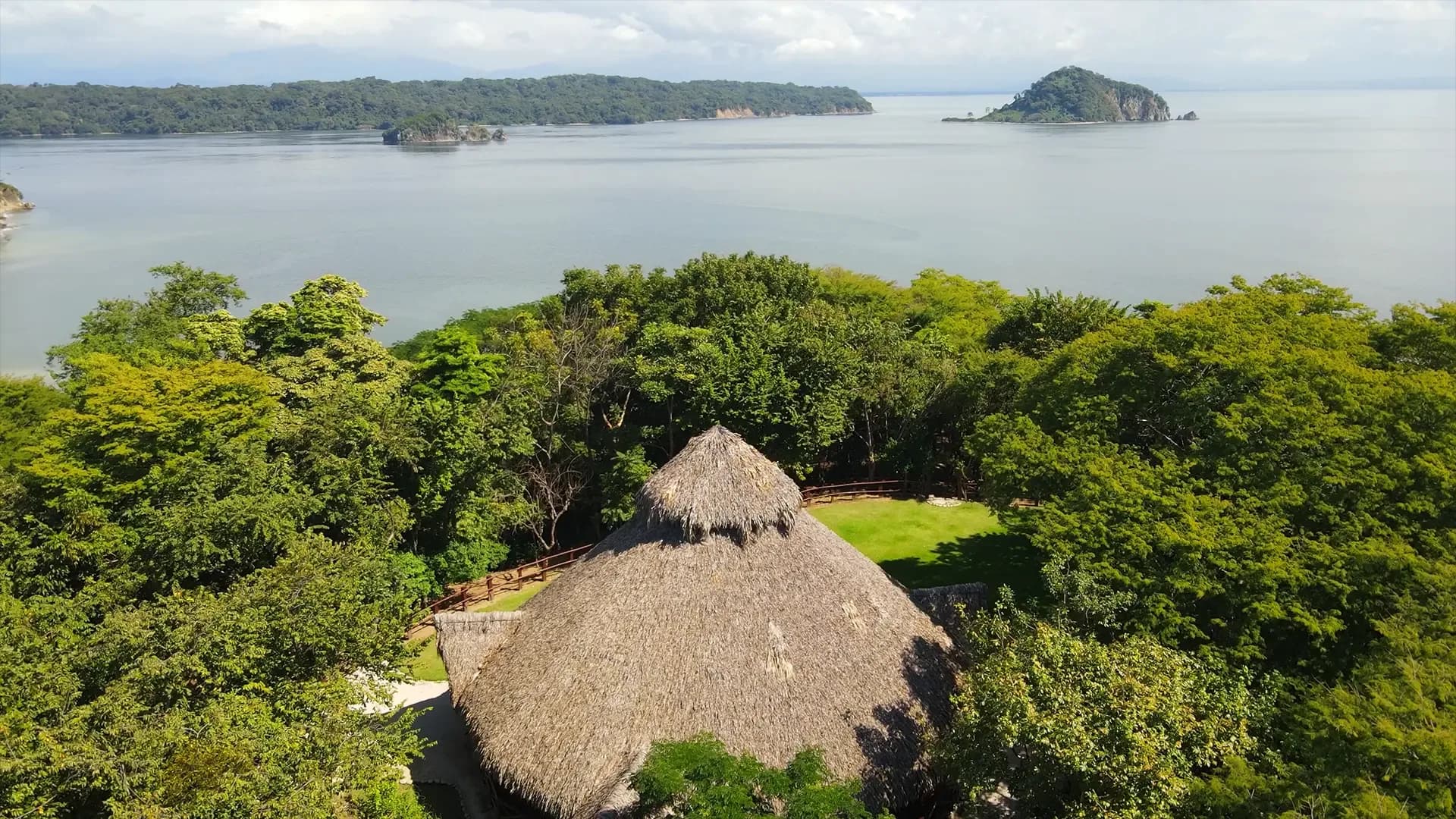
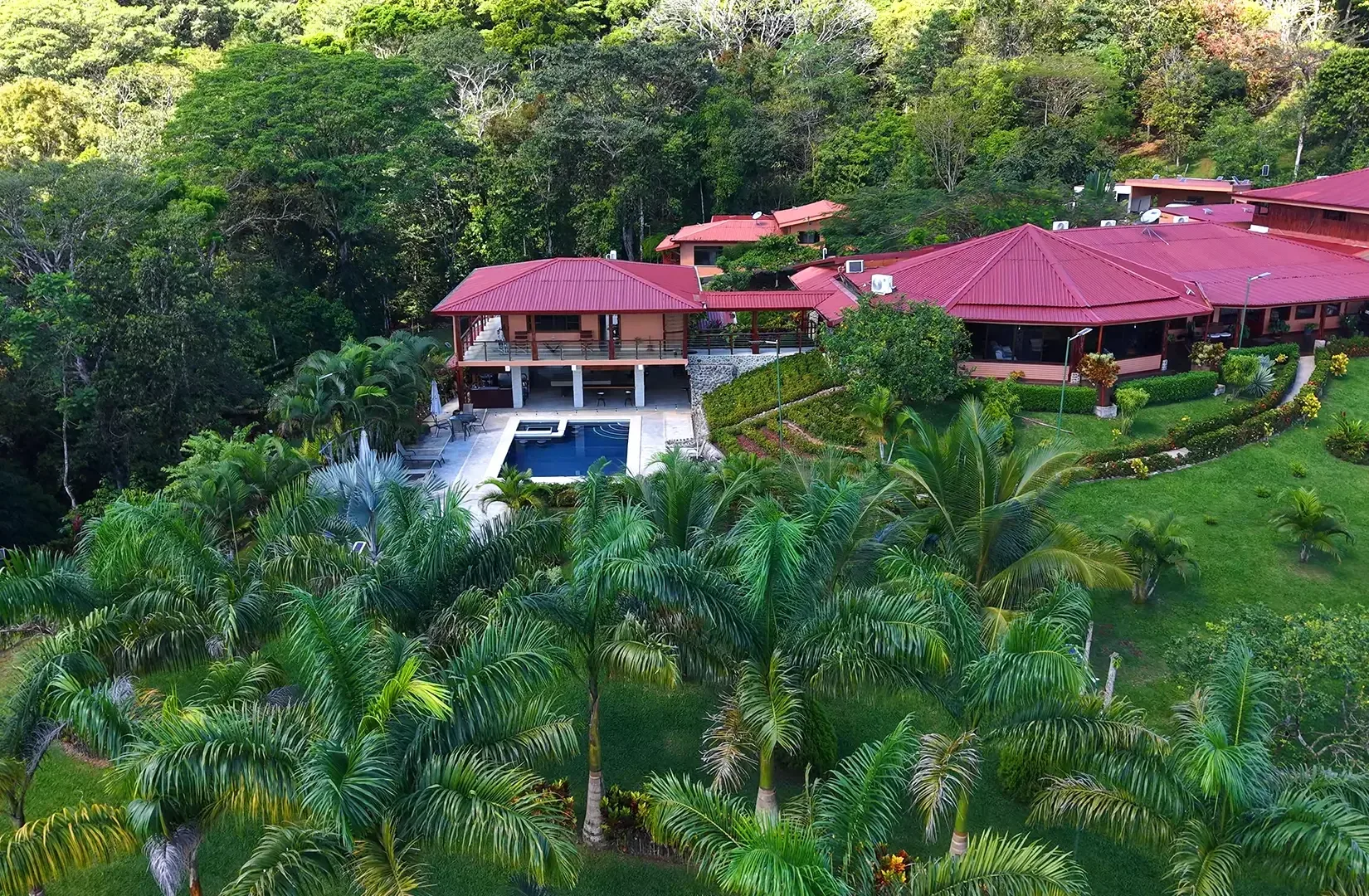
There are direct flights from many US and Canadian cities, and US and Canadian citizens need no tourist visa for stays of up to 180 days. The retreat community is large enough that ICEERS, an international foundation that studies Ayahuasca, published a study of its economic impact on the country in September 2026. Our two centers sit in very different landscapes. Playa Blanca is a cliffside sanctuary above the Gulf of Nicoya on the Nicoya Peninsula, and Scarlet Valley is in the mountains of the Central Pacific Valley, next to protected rainforest near Carara National Park.
What does Costa Rican law say about Ayahuasca?
Costa Rica's drug law, Ley 8204, controls DMT, and its text names neither Ayahuasca nor the vine and chacruna leaf the brew is made from.
The law follows the United Nations drug conventions, and DMT is on the controlled lists. The plants themselves are treated differently at the international level: in letters cited by ICEERS, the International Narcotics Control Board has said that plants containing DMT, and drinks made from them, are not under international control, while noting that each country may still decide for itself. Costa Rica has not passed a law or regulation specific to Ayahuasca or to retreat centers, which is why legal writers describe the situation as a gray area. We prefer to give you that answer plainly, because a clear yes or no would overstate what the law says.
How does Soltara operate in Costa Rica?
Soltara holds a permit from the Costa Rican Ministry of Health to provide natural and alternative health therapies, which cover all services and ceremonies during the retreat. As part of this permit, we have an onsite general medicine doctor’s office, as well as a local doctor on staff who provides health checks for every guest at the beginning and end of each retreat in our onsite clinic.
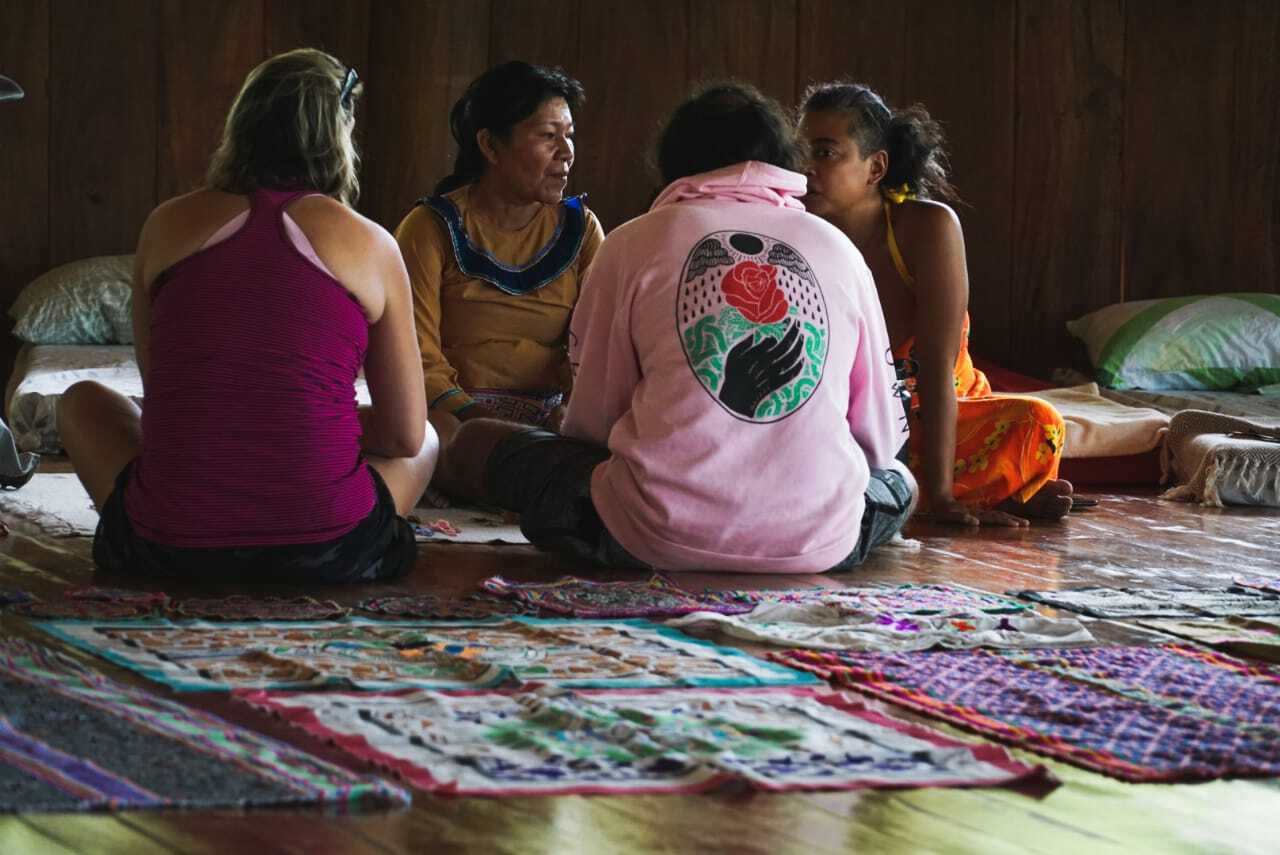
Ceremonies at Soltara are led by Shipibo healers from the Peruvian Amazon who partner with us, the Maestros, who have trained for years in their own tradition. Our work is supported by an advisory board that includes Dr. Gabor Maté, Dr. Bia Labate, Dr. Dennis McKenna, Dr. Clancy Cavnar and Dr. Dan Engle.
When you compare centers, asking about their operating permit & legal standing with their country's Ministry of Health is a good first step. Our article on choosing an Ayahuasca retreat lists the other questions we think are worth asking, with our own answers.
How does Soltara keep guests safe?
Every guest completes a medical and psychological questionnaire and a one-to-one intake call before a place is confirmed, and a licensed psychologist reviews each application. We also consult with physicians as needed depending on medical history, and we always encourage guests with medical diagnoses or taking medications to discuss with their own doctor, and only change or taper medications under the supervision of their doctor.
Part of the reason is chemistry. The Ayahuasca vine contains harmala alkaloids, which block an enzyme called monoamine oxidase, and that is how DMT stays active when the brew is drunk. The same effect means some medications, including many antidepressants, can interact with Ayahuasca in dangerous ways, so we review every medication and supplement with each guest. Some need several weeks off, any change to a prescription is a conversation with the doctor who prescribed it, and some applicants are not cleared to attend.
During the retreat, groups average 15 guests and are capped at 22, and facilitators trained in trauma-informed care are available around the clock. We also have a paramedic present for emergencies during every ceremony. You can read the full details on our safety page, and the food and medication guidance on the dietary guidance page.
What is a retreat at Soltara like?
Retreats run for five or seven nights at either center, with ceremonies in the maloca led by the Maestros and time between them for rest, integration circles and connecting with the immersive nature around you.
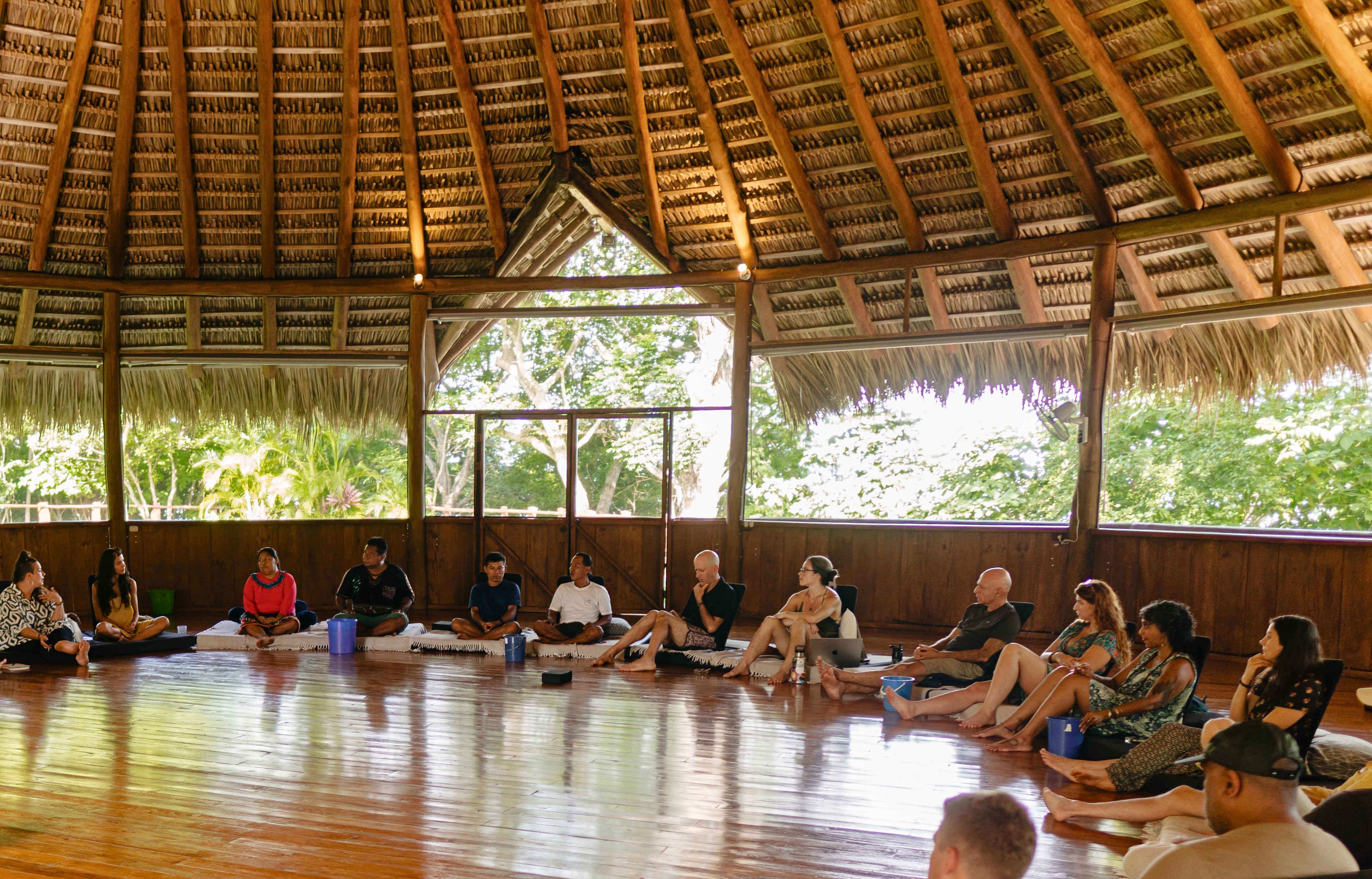
People come for many reasons. In our intake notes, more than half of guests describe curiosity about Ayahuasca or a sense of being called to it, and a similar share describe questions of direction, purpose or a life transition. Others come with grief, trauma or a long pattern they want to understand. Each guest has a private one-to-one session before the retreat and another after it, and longterm integration support is available once you are home.
Is it legal to travel to Costa Rica for a retreat from the US or Canada?
Yes, entering Costa Rica as a tourist is ordinary travel. US and Canadian citizens need no tourist visa for stays of up to 180 days, though the immigration officer sets the permitted stay on arrival and you need to show a return or onward ticket.
The law at home is a separate matter from the trip itself. DMT is a Schedule I controlled substance in the United States and is listed in Schedule III of Canada's Controlled Drugs and Substances Act, with religious exemptions in both countries that apply only to members of specific churches. If you have questions about how your own country's law applies to you, a lawyer there can answer them.
Can you bring Ayahuasca home?
No, an ordinary traveler cannot legally bring Ayahuasca into the United States or Canada, because it contains DMT and carrying it across a border can be treated as importing a controlled substance.
For the same reason, Soltara never gives guests Ayahuasca to take away. What you take home is the work you did during the week, your notes from the integration circles, friendships from the community who shared the journey with you, and the one-to-one session we hold with you after the retreat.
If you have a question about a medication, your history or how our safety protocols support your journey, it is easier to answer in conversation. Book a free discovery call with our team, read the frequently asked questions, or see dates for both centers on the retreats page. This article is general information from a retreat center, written to help you plan, and it is no substitute for legal advice.